
(Photo by Liana S on Unsplash)
I still remember the days when the art teacher would visit our classroom.
She came on a schedule, always carrying something interesting (a large bright color wheel tucked in a big black canvas sleeve, prints of famous artwork, and tools) and introduced us to what I now recognize as the elements and principles of art. In slightly later grades, we would walk to the high school art room, sit on carpet squares, and follow along as she demonstrated how to draw a valley, a castle, or a pitcher.
Those were some of my favorite school memories.
When we started homeschooling, I wanted to give my kids that same experience, but I also wanted something structured enough that I didn’t have to reinvent art class from scratch.
Choosing a Curriculum That Works
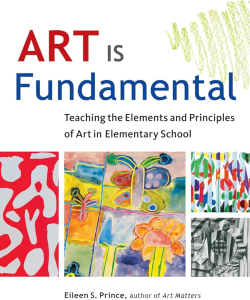
After looking through several options, I landed on Art is Fundamental by Eileen S. Prince (Scholaright has no affiliation).
What stood out immediately was that it’s written by an art teacher and designed as a complete, structured curriculum. It spans three years, but you can easily adapt it, especially if you just want to introduce the core concepts in a single year.
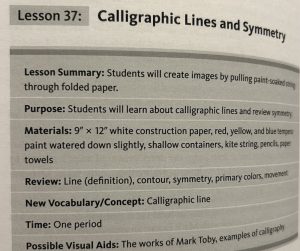
Each lesson includes:
- Clear objectives
- Age-level adjustments
- A mix of media and techniques
Lessons range from ½ a page to 2 pages and outlines what you will need upfront. The units are clear and the lessons scaffold on top of each other. This has made it easy to follow and the projects are engaging for our kids. Some of my favorite moments have been verbally quizzing my kids at the beginning and ending of lessons and hearing them answer with terms like value and pigment: concepts they’ve genuinely retained. I also appreciate that Prince ties science in with art.
If you’re looking for a reliable starting point for homeschool art, this is a good option.
A Few Tips Before You Start
There are a couple of things that made a big difference for us:
1. Follow the seasons (if you can)
A few of the projects are seasonal, so the curriculum works best if you loosely follow a typical North American school calendar. If you are on a different calendar or part of the world, you can still make good use of the book and there are always easy work-arounds for these assignments. You might skip them for now, or do something a little different, like we did when I realized the leaf crayon-rubbing project fell in the middle of winter.
2. Prep your supplies ahead of time
This is a big one. Having everything ready removed friction from doing the lessons consistently.
To help with that, I’ve included a complete shopping list at the end of this post. It’s not perfect, but it will get you about 95% of the way there.
Supplementing Drawing Skills
While Art is Fundamental does a great job exposing kids to different media and concepts, it doesn’t focus heavily on step-by-step drawing technique.
We added three simple resources to fill that gap:
- How to Draw All the Things by Alli Koch (no affiliation)
A fun, low-pressure way to practice breaking drawings into simple shapes. Great for building confidence. - Colour Cow’s Your First Week of Drawing (free online)
An effective series of exercises that helped our kids improve quickly, and it’s completely free. - Youtube: there are so many great videos out there that are approachable for kids.
Together, these gave our kids both creative exploration and technical practice.
Turning Artwork Into a Portfolio
The awesome thing about following Art is Fundamental is that your kids end up with completed works that usually fit into a portfolio (aside from the 3D projects). We have multiple portfolios bursting with artwork in our closet. At some point, we may want to reclaim that shelf space.
That’s where we’ve started using Scholaright’s gallery feature. Instead of storing everything physically, we can upload scans and photos of their artwork and view it all as a gallery.
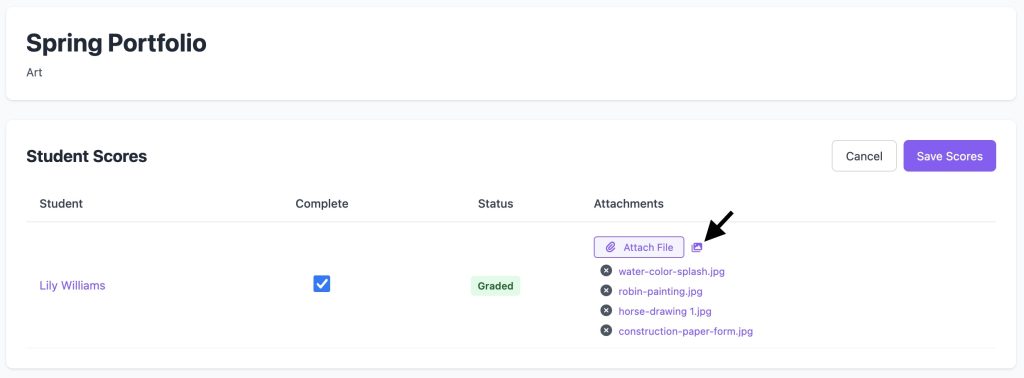
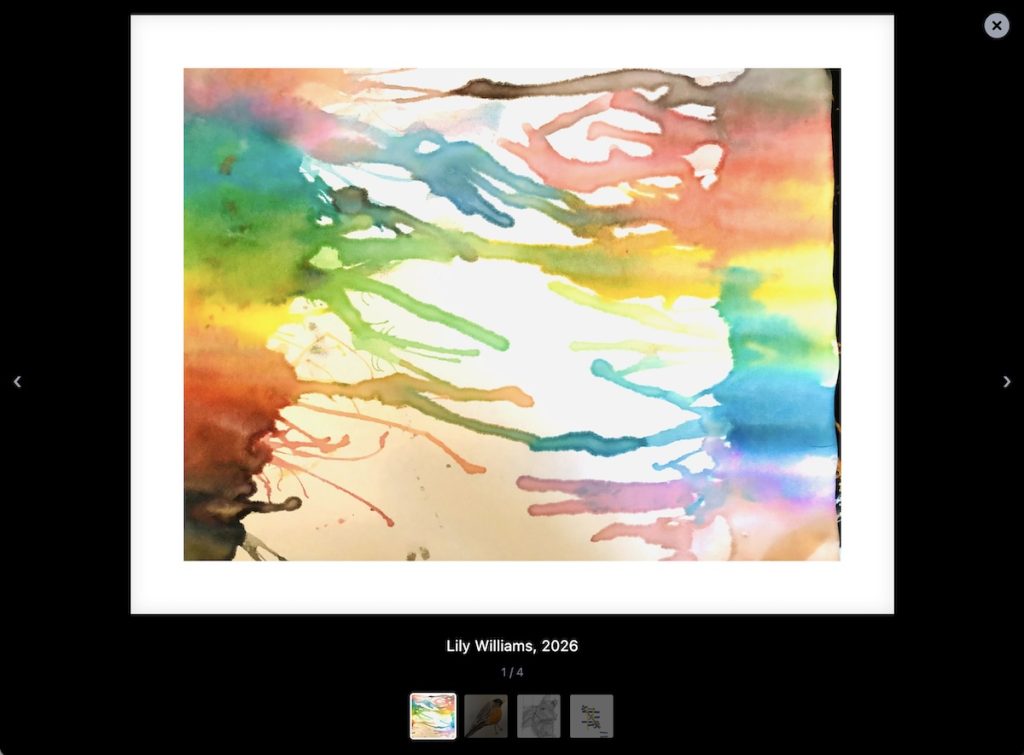
It’s a simple way to turn everyday projects into a growing portfolio of work, which has been rewarding for both us and the kids.
Final Thoughts
’m sure we’ll discover more we want to do with art along the way, but this combination of a solid curriculum, a few targeted resources, and a simple way to track progress has already helped our kids have a better grasp of the elements and principles of design than I did when entering my high school art class.
If you’re trying to bring art into your homeschool without over-complicating it, this is a great place to start.
Art Supply List for Art is Fundamental
Here’s the supply list we built by reviewing the assignments in the book:
Paper & Surfaces
- 18″x24″ 150# white tag board (one piece per student; these will become their portfolios)
- 12″x18″ white construction paper (you’ll use a lot)
- 12″x18″ drawing paper (optional; we mostly used the construction paper)
Drawing Tools
- #2 pencils
- Colored pencils
- Crayons
- Large primary color crayons (for younger students)
- Charcoal pencils
- Chalk
Painting Supplies
- Washable markers
- Prang watercolors
- Tempera paint
- Washable paint (we bought Crayola’s 12 pack of 16 oz. paints and it has served us well)
- Paint brushes (various sizes)
- Plastic paint palettes
Accessories
- Paper towels
- Water buckets or cups
- Glue sticks
- Scissors
- Supply baskets or storage box
Specialty Items
- Transparent sheets (magenta, cyan, yellow)
- Prism (or follow a DIY alternative)
- Tissue paper
- Clay (Sculpey or FIMO)